Good Death Instruction Resources
About
Death is an essential component of life that everyone will encounter. Given its fundamental role in the human experience, it is important to examine pedagogical practices surrounding death, dying, and bereavement. Existing literature pertaining to death education reveals several key benefits, including: reducing fear and anxiety surrounding death, equipping students with the tools they need to face these inevitable experiences, and helping students view death as a natural occurrence.
Overall, death education is underrepresented in academic settings and, when incorporated, it is rarely approached from an interdisciplinary perspective. The Good Death, taught at West Chester University, serves as a compelling example of how integrating multiple disciplines can offer students the tools, language, and space to critically engage with one of life’s most profound realities.
Learning Objectives
- Analyze cultural & ethical dimensions of mortality
- Understand & articulate philosophical perspectives on death
- Engage with grief & mourning practices
- Apply interdisciplinary approaches to end-of-life issues
- Foster empathy & ethical sensitivity
- Reflect on personal beliefs & attitudes towards death
- Critically evaluate the role of media & literature in shaping death perceptions
- Collaborate on discussions & projects addressing end-of-life issues
- Explore the practicalities of end-of-life planning
- Develop strategies for living well in the face of mortality
Starter Media List
Sources to Inspire Conversation and Assignments
-
The Order of the Good Death (Website)
The Order of the Good Death website was created by Caitlin Doughty, with the mission of increasing awareness surrounding death, dying, and bereavement. The website provides access to various resources, such as articles, videos, podcasts and more for people who are interested in learning more about these topics.
-
One Man’s Quest to Change the Way We Die by B.J. Miller (Article)
Jon Mooallem shares the experiences and work of B.J. Miller, a physician who experienced a life-altering incident in college. The article details Miller’s current work, which is developing a zen hospice to offer an alternative to dying in a sterile, impersonal, and often uncomfortable hospital setting.
-
When Breath Becomes Air by Paul Kalinithi (Book)Paul Kalinithi writes about being diagnosed with, treated for, and eventually dying from lung cancer. In this memoir, Kalinithi reflects on his experience as he explores themes of identity, confronting mortality, legacy, and healthcare systems.
-
Perspectives on Death by Crash Course (Video)
Crash Course breaks down major philosophies that are commonly used to acknowledge and live with the idea of mortality. This video helps explain famous philosophers’ contribution to this field, the logic behind fear of death, and terror management theory. Through explaining the history and logic behind these thought patterns, this video provides viewers with insight into the human psyche as it pertains to the idea of death.
-
Extremis by Dan Krauss (Documentary)This documentary, created by Netflix, shows what an average workday for hospital workers look like. The documentary takes place in the intensive care unit, and show cases difficult moments for both patients and doctors within the hospital. The documentary highlights the issues and gaps within the healthcare system, specifically focusing on communication, intensity, decision-making, and more.
-
How Fear of Death Drives Our Behavior by NPR (Podcast)
This podcast episode covers Terror Management Theory. The host talks to a leading scholar in Terror Management Theory to learn about the evolution of theory, the implications it has in everyday life, and the response scholars recieved after proposing the theory. The podcast discusses death avoidance and how Terror Management Theory relates to this.
Guest Speakers
The inclusion of guest speakers into LWL curriculum diversifies students' learning experience and provides additional perspectives in observing what constitutes a Good Life and a Good Death. For examples of guest speakers that the West Chester Good Life Hub has worked with, please view below:
Christopher Feryo, MS Thanatology, CT
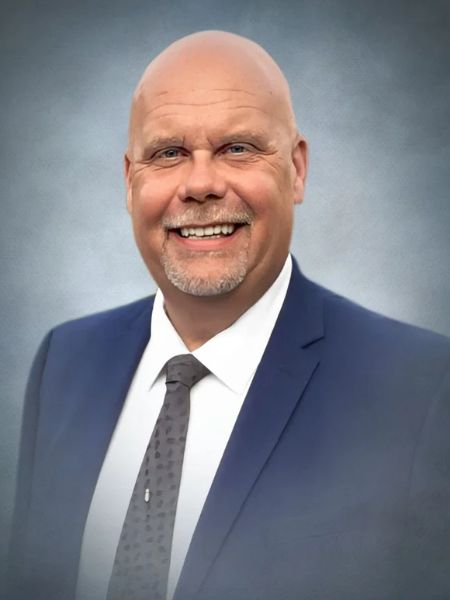
Niharika Ganta, MD, MPH, FAAHPM

Bradley Flamm, PhD
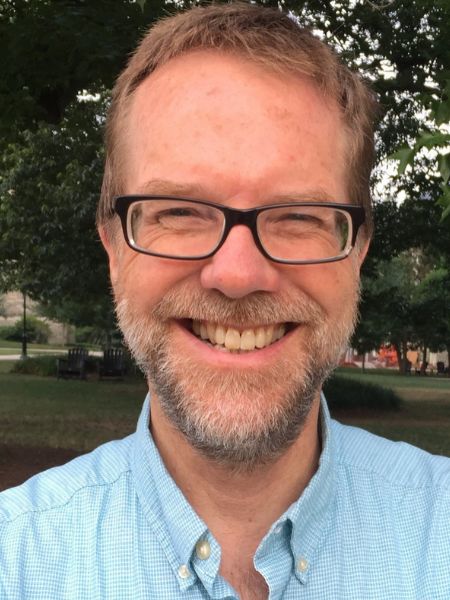
Abdul Mughees